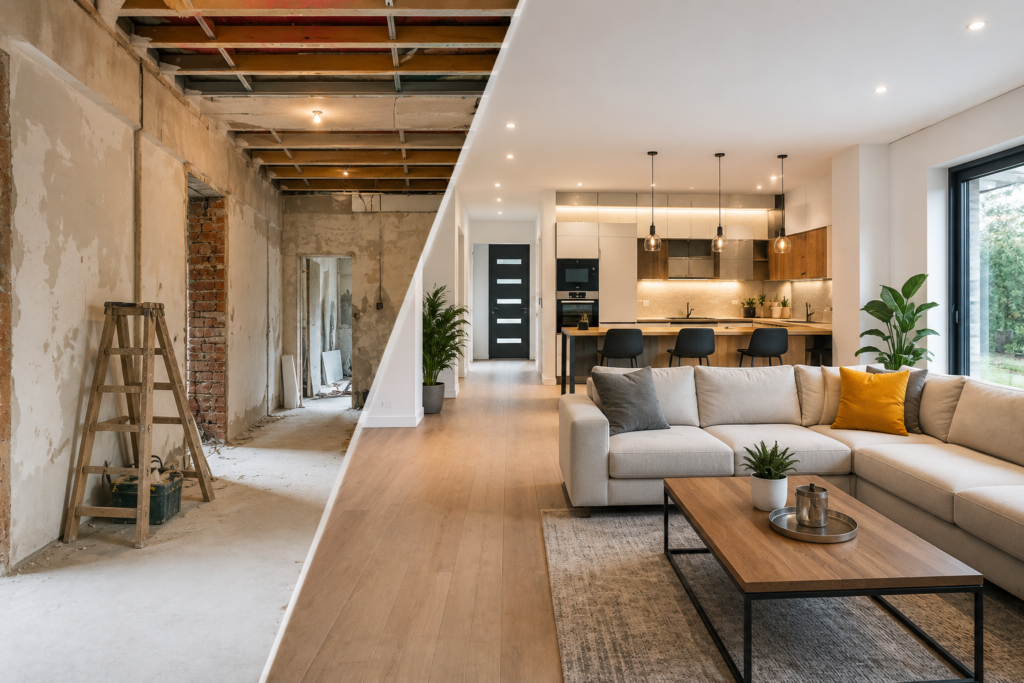
A bathroom renovation is one of the most rewarding home improvement projects you can undertake. Whether you’re looking to modernise an outdated space, improve functionality, or create a more comfortable environment for your family, careful planning is the key to achieving a successful result.
A well-planned bathroom renovation is about more than choosing attractive tiles or stylish fittings. It involves understanding how the space will be used, selecting durable materials, considering plumbing and ventilation, and ensuring every element works together efficiently.
In this guide, we’ll explain everything homeowners should know before starting a bathroom renovation, from the initial planning stages through to the finishing touches.
Why Plan a Bathroom Renovation Carefully?
Bathrooms are among the most frequently used rooms in any home. Unlike other areas, they combine plumbing, electrical work, waterproofing, heating, lighting, and ventilation within a relatively small space.
Taking the time to plan properly can help you:
- Make better use of available space
- Improve everyday comfort
- Increase functionality
- Create a modern appearance
- Reduce the likelihood of future maintenance issues
- Improve energy and water efficiency
- Achieve a high-quality finish that lasts for years
A thoughtful renovation also allows every component to work together, creating a bathroom that is both practical and visually appealing.
Signs It May Be Time to Renovate Your Bathroom
Many homeowners postpone renovations until problems become impossible to ignore. However, recognising the early signs can help you plan improvements before small issues develop into larger ones.
Common signs include:
- Outdated fixtures and fittings
- Damaged or cracked tiles
- Persistent mould or mildew
- Poor ventilation
- Water damage around the bath or shower
- Inefficient storage
- Frequent plumbing issues
- Worn flooring
- Difficult-to-clean surfaces
- A layout that no longer suits your family’s needs
Even if your bathroom remains functional, modern improvements can significantly enhance comfort and usability.
Define Your Goals Before You Begin
Every successful renovation starts with a clear objective.
Ask yourself:
- What do I dislike about my current bathroom?
- How is the bathroom used every day?
- Do I need more storage?
- Would better lighting improve the room?
- Is accessibility important?
- Do I prefer a modern or traditional style?
- Are there any maintenance problems that need resolving?
Having clear priorities helps guide every decision throughout the project.
Understanding Your Bathroom Layout
The layout has a major influence on how practical your bathroom will be.
When planning the space, consider:
Available Floor Space
Every bathroom has different dimensions. Careful planning ensures the room feels spacious without compromising functionality.
Position of Existing Plumbing
Keeping major plumbing in similar locations can simplify the renovation, while still allowing significant design improvements.
Daily Movement
Think about how people move around the room.
Doors, showers, toilets and vanity units should all allow comfortable movement without creating obstacles.
Storage
Well-designed storage helps keep the room tidy while making everyday items easily accessible.
Choosing the Right Bathroom Style
Your bathroom should complement the overall style of your property while reflecting your personal preferences.
Popular styles include:
Contemporary Bathrooms
- Clean lines
- Neutral colours
- Wall-mounted furniture
- Large-format tiles
- Minimalist design
Traditional Bathrooms
- Classic fittings
- Decorative details
- Freestanding furniture
- Timeless finishes
Modern Luxury Bathrooms
- Walk-in showers
- Large mirrors
- Premium finishes
- Recessed lighting
- Elegant storage solutions
The best choice is one that balances appearance with long-term practicality.
Selecting Quality Materials
Bathrooms experience constant moisture, temperature changes and daily use.
Choosing durable materials helps ensure your renovation remains attractive and functional for many years.
Consider materials that are:
- Water-resistant
- Easy to clean
- Slip-resistant
- Durable
- Suitable for humid environments
Quality workmanship combined with reliable materials contributes significantly to the longevity of any renovation.
Choosing Bathroom Fixtures
Every fixture should balance appearance with everyday practicality.
Typical bathroom fixtures include:
- Toilets
- Basins
- Vanity units
- Baths
- Walk-in showers
- Shower screens
- Taps
- Heated towel rails
- Mirrors
Selecting products that complement each other creates a cohesive and professional finish.
Lighting Makes a Bigger Difference Than Many People Realise
Lighting affects both the appearance and functionality of a bathroom.
A balanced lighting plan often includes:
General Lighting
Provides even illumination throughout the room.
Task Lighting
Useful around mirrors for shaving, grooming and applying makeup.
Accent Lighting
Adds atmosphere and highlights architectural features.
Natural daylight should also be maximised wherever possible.
The Importance of Good Ventilation
Bathrooms naturally generate moisture through showers and baths.
Without proper ventilation, excess humidity can lead to:
- Condensation
- Mould growth
- Damp patches
- Peeling paint
- Unpleasant odours
Good ventilation helps maintain a healthier environment while protecting walls, ceilings and fixtures.
Waterproofing Is Essential
Waterproofing is one of the most important parts of any bathroom renovation.
Professional waterproofing protects:
- Walls
- Floors
- Shower areas
- Pipe penetrations
- Structural elements beneath tiled surfaces
Although hidden from view, proper waterproofing plays a crucial role in preventing future water damage.
Storage Solutions That Improve Everyday Living
Storage often determines whether a bathroom feels organised or cluttered.
Practical options include:
- Vanity cupboards
- Wall cabinets
- Built-in niches
- Floating shelves
- Mirror cabinets
- Tall storage units
Well-designed storage keeps everyday essentials within easy reach while maintaining a clean appearance.
Improving Water Efficiency
Modern bathrooms often include features that help reduce unnecessary water consumption without compromising performance.
Examples include:
- Efficient shower heads
- Dual-flush toilets
- Modern mixer taps
- Leak-free plumbing
- Well-maintained pipework
These improvements contribute to a more sustainable home.
Safety Should Never Be Overlooked
Bathrooms combine water and electricity, making safety an essential consideration.
Important features include:
- Slip-resistant flooring
- Safe electrical installations
- Proper lighting
- Secure shower screens
- Adequate ventilation
- Reliable plumbing connections
A safe bathroom provides peace of mind for every member of the household.
Common Bathroom Renovation Mistakes
Many renovation problems can be avoided through proper planning.
Some of the most common mistakes include:
Ignoring Storage
A beautiful bathroom quickly becomes cluttered without adequate storage.
Poor Lighting
Insufficient lighting reduces both comfort and functionality.
Choosing Style Over Practicality
Visual appeal is important, but everyday usability should always come first.
Overlooking Ventilation
Poor airflow can result in long-term moisture problems.
Rushing the Planning Stage
Careful preparation often leads to smoother renovations and better outcomes.
What to Expect During a Bathroom Renovation
Every project is different, but most renovations follow a similar process.
Initial Consultation
Discuss your ideas, requirements and goals.
Design and Planning
Develop the layout and choose suitable materials and fixtures.
Preparation
Protect surrounding areas before work begins.
Removal of Existing Bathroom
Old fittings, flooring and wall finishes are carefully removed.
Plumbing and Electrical Work
Any required updates are completed before new installations begin.
Waterproofing
Protective waterproofing systems are installed where necessary.
Installation
Tiles, fixtures, fittings and accessories are installed.
Final Checks
Every element is inspected to ensure the finished bathroom meets a high standard.
Maintaining Your New Bathroom
Regular maintenance helps preserve your bathroom’s appearance and performance.
Simple habits include:
- Wiping down shower screens
- Cleaning tiles regularly
- Keeping ventilation systems clean
- Checking seals around baths and showers
- Addressing small leaks promptly
- Maintaining good airflow
Routine care can help your bathroom remain in excellent condition for many years.
Choosing Experienced Professionals
A bathroom renovation combines several specialist trades, making experience particularly important.
Working with qualified professionals helps ensure:
- Accurate installation
- High-quality workmanship
- Reliable plumbing
- Safe electrical work
- Proper waterproofing
- Attention to detail
- A professional finish
Choosing an experienced team provides confidence that every stage of the project is completed to a high standard.
Frequently Asked Questions
How long does a bathroom renovation usually take?
The timeframe depends on the size and complexity of the project, as well as the scope of work involved.
Can I renovate a small bathroom?
Yes. With thoughtful planning, even compact bathrooms can become functional, comfortable and visually appealing.
What should I consider before starting?
Think about layout, storage, lighting, ventilation, fixtures, materials and how your household uses the space every day.
Is waterproofing important?
Yes. Proper waterproofing helps protect your property from moisture damage and is a vital part of any quality bathroom renovation.
How can I make my bathroom easier to maintain?
Choose durable materials, install good ventilation, and follow a regular cleaning and maintenance routine.
Conclusion
A bathroom renovation is an opportunity to create a space that is comfortable, practical and built to last. Successful projects begin with careful planning, thoughtful design and quality workmanship.
From selecting the right layout and materials to ensuring effective lighting, ventilation and waterproofing, every decision contributes to the finished result. By taking the time to plan each stage, homeowners can enjoy a bathroom that not only looks impressive but also serves their needs for years to come.
Whether you’re refreshing an existing bathroom or undertaking a complete transformation, informed planning is the foundation of a successful renovation.