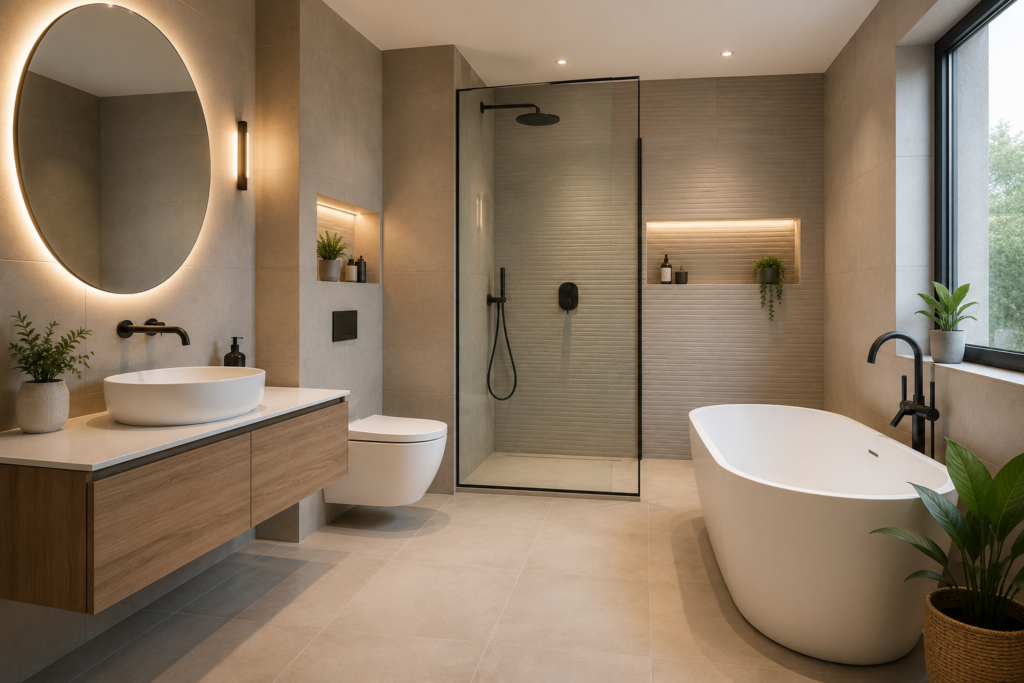
Property renovation is about much more than changing the appearance of a house. A well-planned renovation can improve the way you live, make better use of available space, increase comfort, and create a home that better suits your family’s needs.
Whether you have recently purchased an older property or have lived in your home for many years, renovations provide an opportunity to modernise your living environment while addressing practical issues that naturally develop over time.
Every property is different, and every homeowner has unique goals. Some people renovate to create additional living space, while others focus on improving functionality, updating outdated features, or making everyday life more comfortable. Whatever the reason, careful planning and quality workmanship are essential for achieving lasting results.
This guide explores the many ways property renovations can improve your home and explains why thoughtful planning is the foundation of every successful project.
Why Homeowners Choose to Renovate
Homes naturally change over time. Families grow, lifestyles evolve, and what once worked perfectly may no longer meet your daily needs.
Common reasons for renovating include:
- Updating an older property
- Improving the layout
- Creating more usable space
- Replacing worn or damaged materials
- Improving energy efficiency
- Modernising kitchens and bathrooms
- Increasing comfort
- Preparing a property for future needs
Rather than moving house, many homeowners find that renovating allows them to create a home that better reflects their lifestyle.
Making Better Use of Space
One of the greatest benefits of renovation is improving how space is used.
Many older homes contain layouts that no longer suit modern living. Small rooms, limited storage and awkward floor plans can make everyday life less convenient.
Renovations can help create:
- Open-plan living areas
- Better storage solutions
- More practical room layouts
- Improved movement throughout the home
- Flexible spaces for work or family life
Even relatively small design changes can make a home feel more spacious and functional.
Improving Everyday Comfort
A comfortable home supports everyday living.
Property renovations often focus on improving the features that people use every day, including lighting, heating, ventilation and insulation.
Examples include:
- Brighter living areas
- Better airflow
- Improved room temperatures
- Reduced draughts
- More practical bathrooms
- Modern kitchens
- Better storage
These improvements help create a more enjoyable living environment throughout the year.
Modernising Outdated Interiors
Design trends naturally change over time, but renovation is not simply about following fashion.
Older interiors may include worn flooring, ageing fixtures, dated décor and inefficient layouts. Updating these features creates a cleaner, brighter and more practical home without losing its character.
Modern renovations often include:
- Fresh decorating
- Contemporary flooring
- Updated lighting
- Improved storage
- New internal doors
- Better use of natural light
The goal is to create spaces that remain attractive and functional for many years.
Improving Energy Efficiency
Energy efficiency has become an important consideration for many homeowners.
Property renovations provide an opportunity to improve how efficiently a home uses energy through practical upgrades such as:
- Improved insulation
- Modern windows and doors
- Efficient heating systems
- LED lighting
- Better ventilation
- Improved draught proofing
These improvements contribute to a more comfortable indoor environment while supporting long-term sustainability.
Renovating Bathrooms and Kitchens
Bathrooms and kitchens are among the most frequently used rooms in any property.
Updating these areas often improves both appearance and functionality.
Modern bathroom renovations may include:
- Walk-in showers
- Better storage
- Improved lighting
- Modern fixtures
- Better ventilation
Kitchen renovations often focus on:
- Practical layouts
- Additional workspace
- Improved storage
- Better lighting
- Modern appliances
- Durable work surfaces
Thoughtful planning ensures these spaces remain practical for everyday use.
Creating More Storage
Storage plays an important role in keeping a home organised.
Many renovation projects include custom storage solutions that make better use of available space.
Examples include:
- Built-in wardrobes
- Utility rooms
- Under-stair storage
- Fitted cupboards
- Loft storage
- Shelving
- Garage organisation
Well-designed storage reduces clutter while helping every room feel larger and more organised.
Improving Natural Light
Natural light can transform the feel of a property.
Simple improvements may include:
- Larger windows
- Roof windows
- Glazed doors
- Open-plan layouts
- Lighter interior finishes
- Better positioning of mirrors
Bright, naturally lit spaces often feel more welcoming and comfortable throughout the day.
Extending Living Space
As families grow, additional space often becomes necessary.
Property renovations may include:
Home Extensions
Extensions provide extra room without the need to relocate.
Garage Conversions
An unused garage can become a home office, playroom or additional living space.
Loft Conversions
Lofts can provide valuable additional accommodation while making better use of existing space.
Each solution depends on the property, available space and the homeowner’s requirements.
Improving Safety
Renovations also provide an opportunity to improve the overall safety of a property.
Areas that may be upgraded include:
- Electrical systems
- Plumbing
- Flooring
- Staircases
- Handrails
- Lighting
- Smoke alarms
- Ventilation
These improvements contribute to a safer home for every member of the household.
Choosing Quality Materials
Quality materials play an important role in the long-term success of any renovation.
When selecting materials, homeowners should consider:
- Durability
- Ease of maintenance
- Moisture resistance
- Appearance
- Suitability for the intended space
Choosing reliable products helps ensure the finished project continues to perform well over time.
Planning Before Work Begins
Every successful renovation begins with careful planning.
Important considerations include:
- Understanding your goals
- Assessing the existing property
- Prioritising improvements
- Creating a realistic schedule
- Selecting suitable materials
- Working with experienced professionals
Planning reduces uncertainty and helps ensure the project progresses smoothly.
Common Renovation Mistakes to Avoid
Many renovation challenges can be prevented with careful preparation.
Common mistakes include:
Rushing Decisions
Taking time to plan often leads to better results.
Ignoring Storage
Storage should always be considered during the design stage.
Poor Lighting
Lighting affects both comfort and functionality.
Choosing Style Over Practicality
A beautiful home should also be practical for everyday living.
Using Low-Quality Materials
Quality materials generally provide better long-term performance.
Working with Experienced Professionals
Property renovation involves a wide range of specialist skills, including building work, plumbing, heating, electrical installations and finishing trades.
Working with experienced professionals helps ensure:
- High standards of workmanship
- Safe installations
- Attention to detail
- Reliable project management
- Quality finishes
- Compliance with relevant building standards
Good communication throughout the project also helps ensure expectations are clearly understood from beginning to end.
Frequently Asked Questions
How do I know if my property needs renovation?
Signs may include outdated interiors, worn materials, lack of storage, inefficient layouts, or rooms that no longer suit your family’s needs.
What should I plan before renovating?
Consider your goals, available space, preferred design, storage requirements, lighting, ventilation and the overall functionality of each room.
Can renovations improve everyday living?
Yes. Well-planned renovations can make a home more comfortable, organised, practical and enjoyable to live in.
Why is quality workmanship important?
Professional workmanship helps ensure every part of the renovation is completed safely, accurately and to a high standard, providing lasting results.
Should I renovate one room or the whole property?
The right approach depends on your priorities, the condition of your home and your long-term plans. Many homeowners choose to renovate gradually over time.
Conclusion
Property renovation is an investment in the comfort, functionality and future of your home. Whether the goal is to modernise outdated spaces, improve storage, increase natural light or create a better layout, thoughtful planning is essential.
Every successful renovation begins with understanding how the home is used and identifying opportunities to improve everyday living. From upgrading bathrooms and kitchens to creating additional living space and improving energy efficiency, each improvement contributes to a home that better meets the needs of its occupants.
By focusing on quality materials, practical design and experienced workmanship, homeowners can create living spaces that remain attractive, functional and enjoyable for many years to come.